

By Advanced Car Stereo Riverside, 10555 Magnolia Ave, Riverside, CA · Watch our builds on YouTube · Read our Google reviews
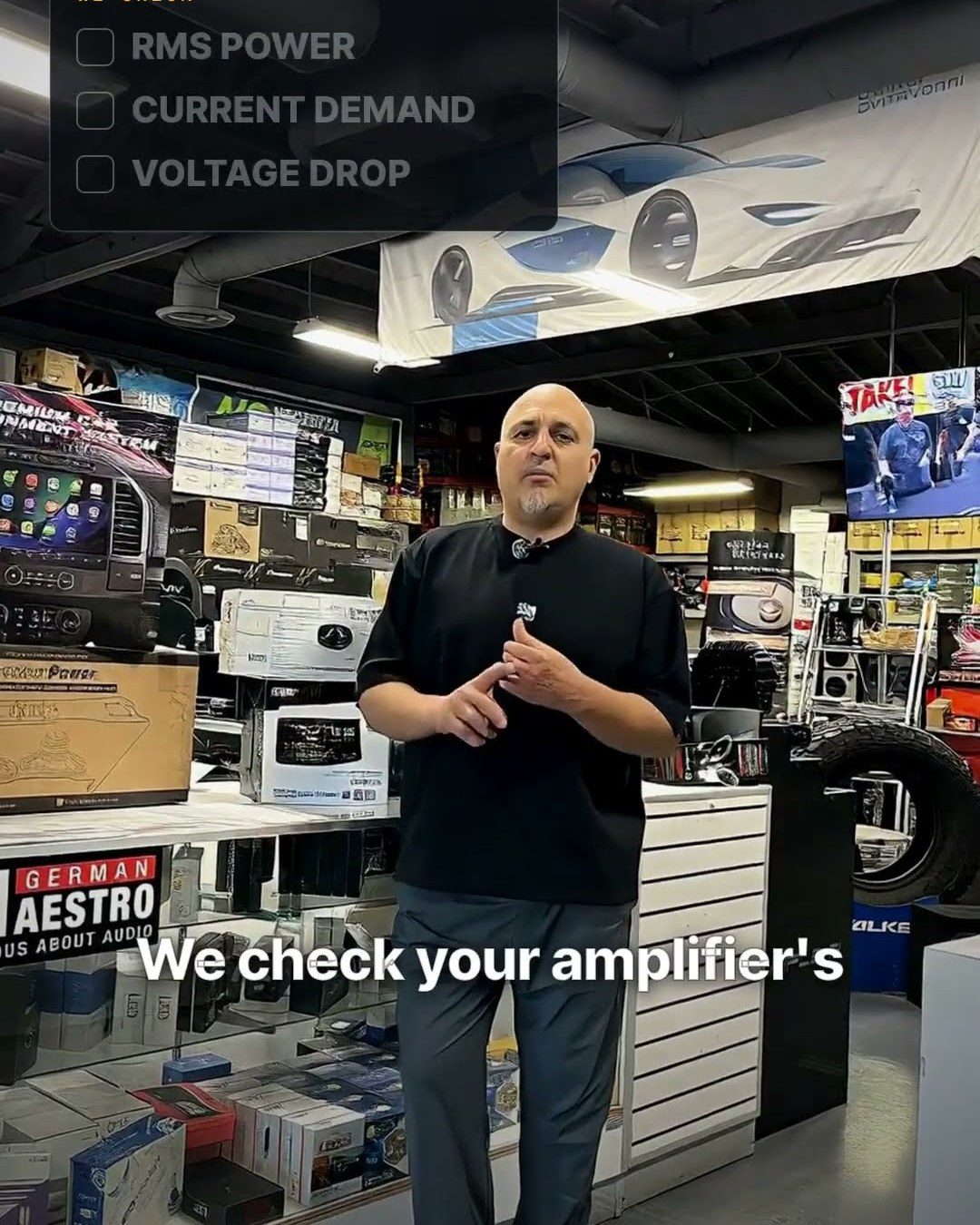
A car audio electrical upgrade is the part of an SPL build most people skip, and it is the reason so many systems dim the headlights, clip the amp and blow subs. At our Riverside, CA shop we plan the electrical system together with the subs, amps and box, because big bass is only as strong as the power behind it. This guide explains the Big 3, alternator and battery upgrades, capacitors and wire size in plain language, with clips from our YouTube channel.
The short version: a capacitor helps with quick bass hits, but it does not make power. Real current comes from the alternator, and it gets to the amp through the battery and the wiring.
How much current does your system really need?
Amplifiers are not 100% efficient. A rough rule we use for planning is:
Current (amps) ≈ RMS output (watts) ÷ amplifier efficiency ÷ system voltage
Class D bass amplifiers are often around 75% to 85% efficient at full power, and a running vehicle sits around 13.5 to 14.4 volts. So a 3,000 watt RMS amp at full power can pull roughly 3,000 ÷ 0.8 ÷ 14 ≈ 270 amps, and an 8,000 watt amp can pull 700 amps or more at full tilt. Music is not a constant test tone, so the average draw is lower, but the peaks are real. That is why the electrical plan has to match the power you want.
| Amplifier RMS (approx.) | Peak current at full power (approx.) | What we usually plan |
|---|---|---|
| Up to 1,000 W | ~90 A | Correct power wire, fuse and ground; healthy battery |
| 1,000 to 2,500 W | ~90 to 225 A | Big 3 upgrade; AGM battery; often a high-output alternator |
| 2,500 to 5,000 W | ~225 to 450 A | High-output alternator, Big 3, AGM or lithium bank |
| 5,000 to 8,000 W+ | ~450 to 700 A+ | One or more high-output alternators, battery bank, dual 1/0 runs |
These are planning numbers based on about 80% efficiency at 14 V. Real draw depends on the amp, the music, the impedance and the voltage.
The Big 3 upgrade
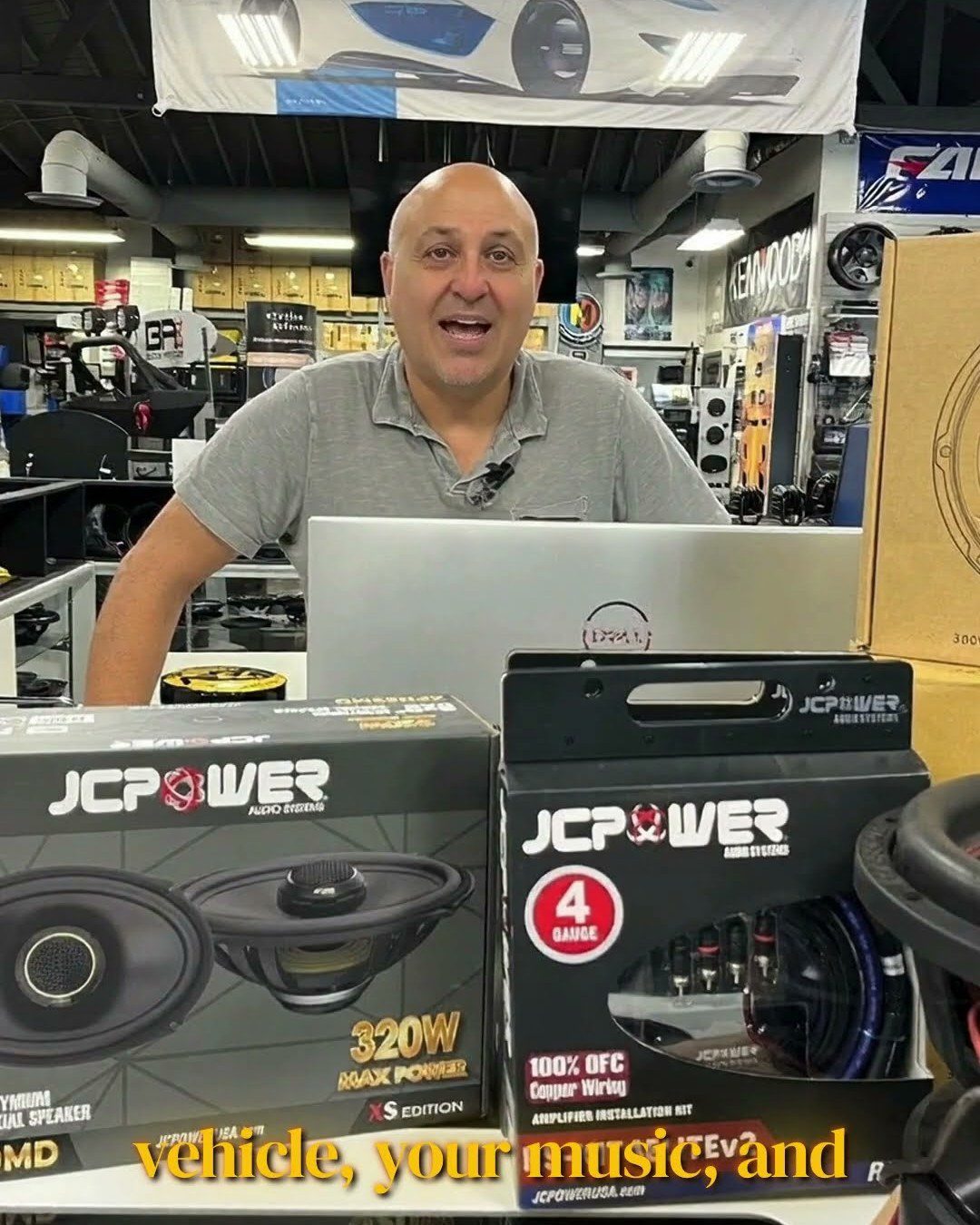
The Big 3 replaces or adds to three factory charging wires with heavy gauge OFC copper (often 1/0 gauge):
- Alternator positive to battery positive
- Battery negative to chassis
- Engine block to chassis
Factory wires are sized for the factory electrical load, not a 3,000 watt amp. The Big 3 lowers resistance so more of the alternator’s current gets to the battery and the amps, and less is lost as heat. It is one of the cheapest upgrades with the biggest effect on voltage. In our truck SPL formula video, the Big 3 is part of every build, along with an alternator and auxiliary battery upgrade.
Alternator and battery: where the power really comes from
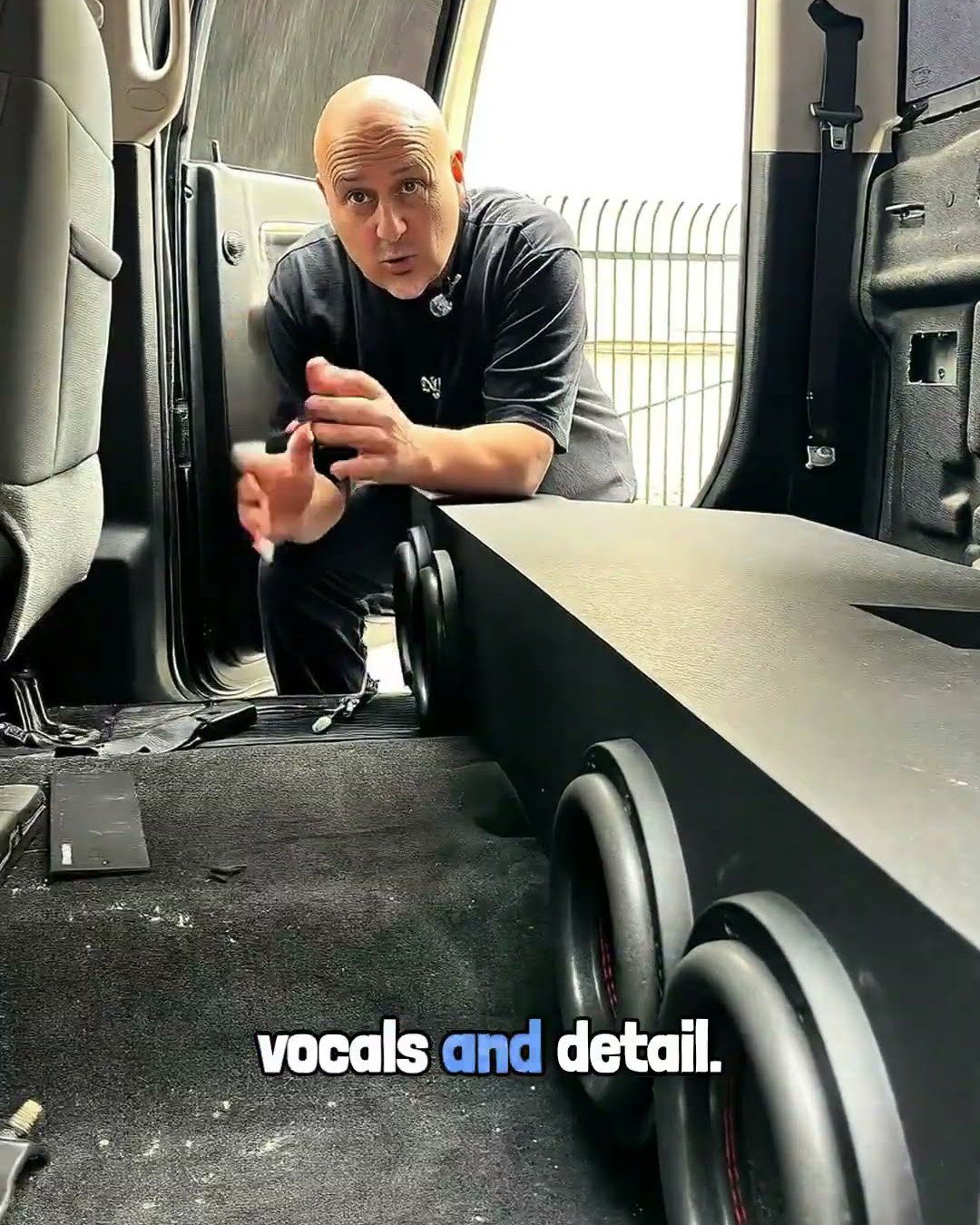
While the engine runs, the alternator is the only real source of power. If the amps need more than it can make, the batteries make up the difference until the voltage sags. For big systems we plan:
- High-output alternator: sized to the system so the voltage holds up during long bass notes.
- AGM or lithium battery bank: AGM batteries deliver high current and handle vibration well. Lithium banks hold voltage higher but need the right charging setup.
- Battery isolator: keeps the audio batteries from draining the starting battery, so the vehicle still starts after a car show.
- Proper fusing: a fuse within about 18 inches of every battery positive, rated for the wire, protects the vehicle from a short.
Capacitors: what they do and what they don’t
As Ramin says in the video, a capacitor stores energy and releases it very quickly to help support the amplifier’s voltage during short bass hits. It can smooth fast dips and reduce light dimming on small to medium systems. But a capacitor does not create power. It is recharged by the same alternator and battery, so on a system that is short on current it only hides the problem for a moment. Our honest advice:
| Upgrade | What it fixes | When we recommend it |
|---|---|---|
| Capacitor | Very short voltage dips on bass hits | Small to mid systems where the charging system is already healthy |
| Big 3 | Resistance in factory charging wires | Almost every system over about 1,000 W RMS |
| AGM / lithium battery | Voltage sag on long notes; reserve power | Mid to large systems, and anyone who plays the system with the engine off |
| High-output alternator | Not enough current while driving | Large SPL systems; when voltage drops under about 12.5 V while playing |
Wire size and the right amp for the subs
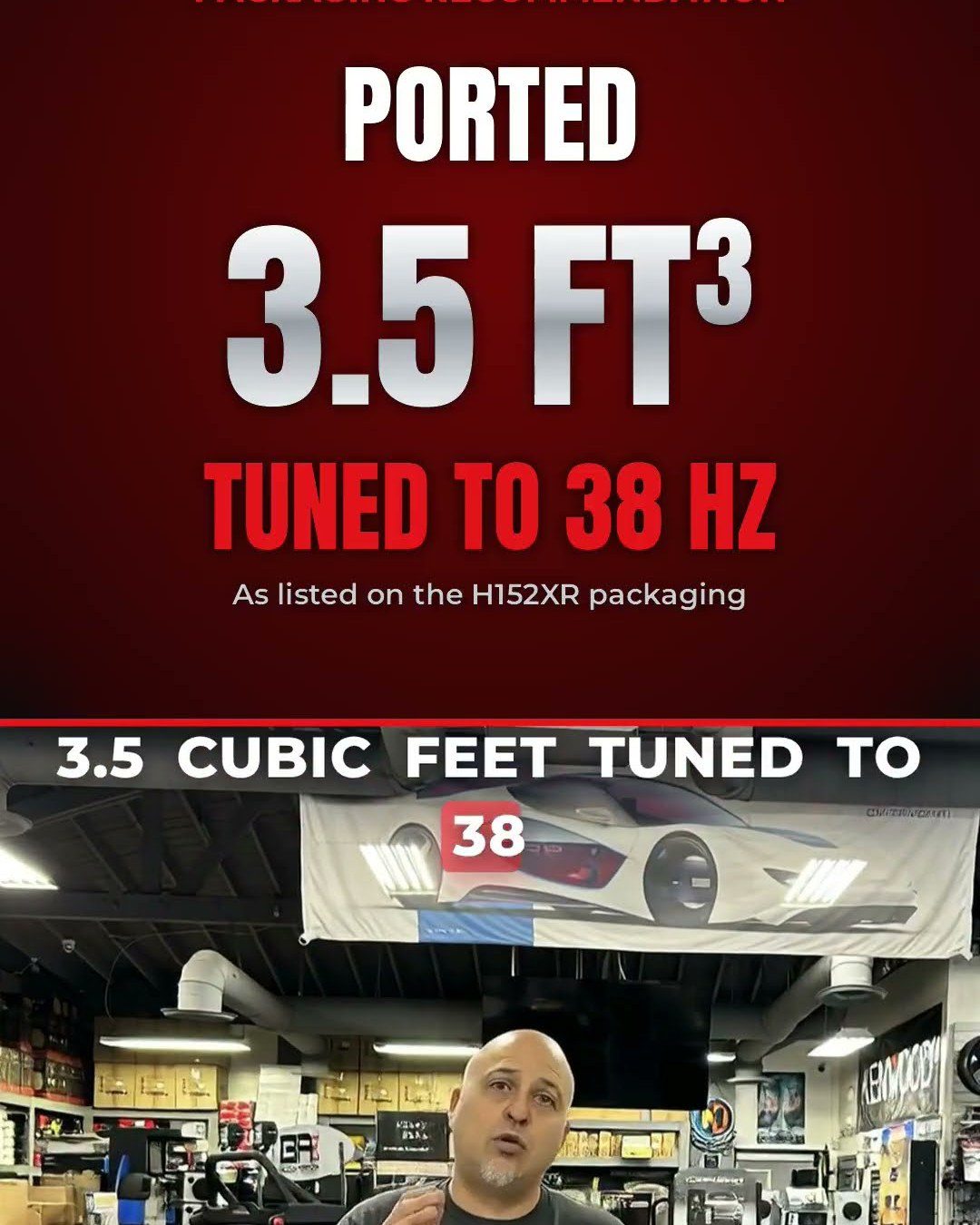
Power wire has to carry the current without a big voltage drop. For large SPL systems we often run dual 1/0 gauge OFC copper to the bass amp and 4 gauge OFC for a speaker amp, each sized and fused for the build, exactly like the truck formula in our video. Use real oxygen-free copper (OFC), not copper-clad aluminum, at these currents. Then match the amplifier to the subs and the final impedance so the amp is not pushed into clipping. A clean signal from the right amp and a stable voltage is what keeps subs alive.
Massive Audio builds and the 8,000 watt class
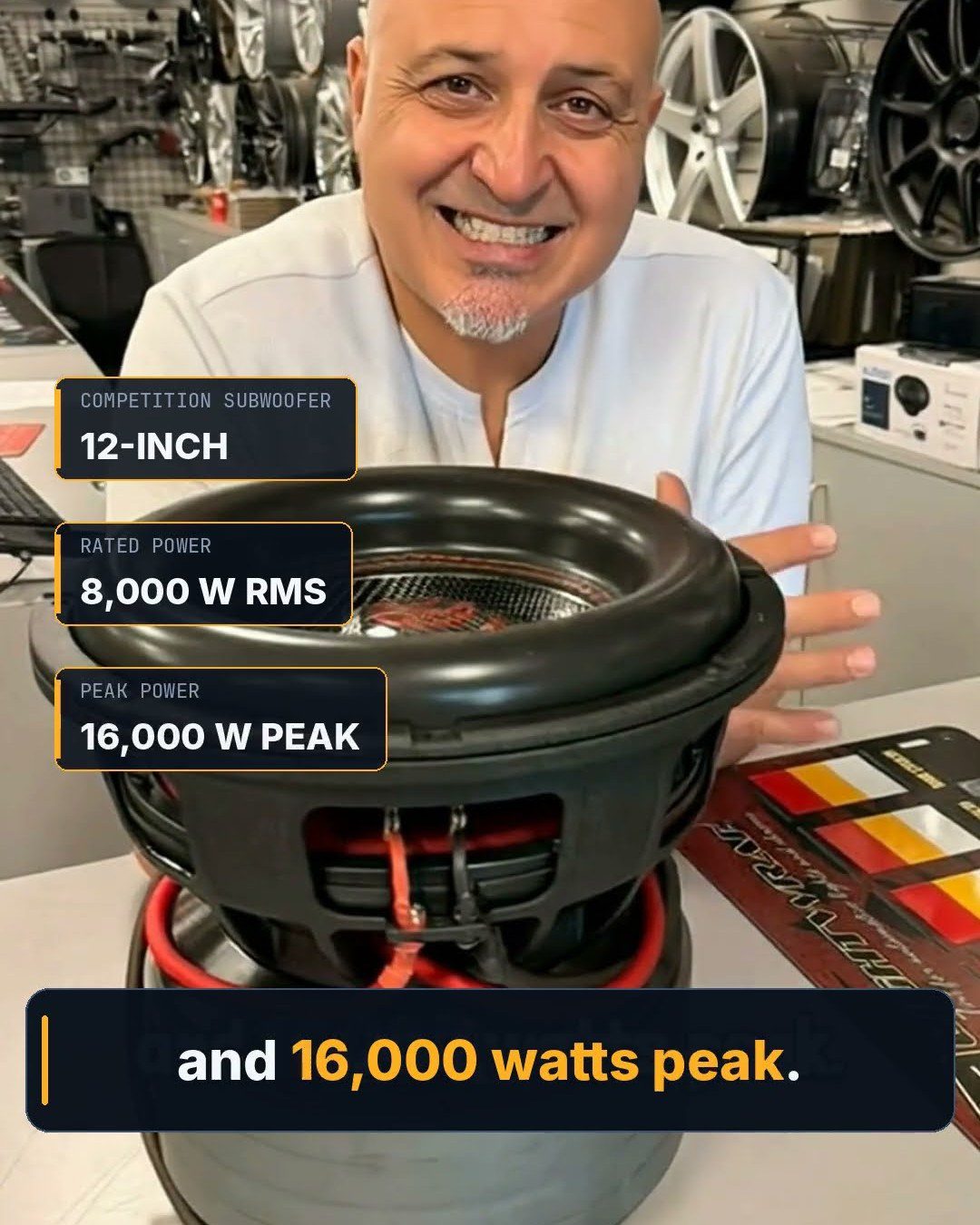
Subs like the Massive Audio BOA series are rated at 8,000 watts RMS. At that level the electrical system is not an add-on, it is half the build. Read our deep dives on the BOA 12″ subwoofer, the BOA 15″ and the BOA 10″.
More SPL and electrical videos from our channel
- Heavy SPL bass demands serious current
- Let’s build the right SPL formula for your truck
- Four 8s or four 10s? Let’s build something different
- Let’s talk serious SPL: subs, amps, box and electrical
- Meet the King of SPL: Massive Audio BOA 152R
- Subscribe: Advanced Car Stereo Riverside on YouTube
Google reviews: what Advanced Car Stereo Riverside customers say
Before you trust anyone with your car audio system and wiring, read what other drivers say. Our Google Business Profile shows 4.4 stars from 891 Google reviews (November 2026). A few recent 5-star reviews, quoted word for word:
“These guys are awesome!! They really took care of me… I love my new massive audio system”
Robert S., Google review, 5 stars
“Raheem took the time to diagnose the problem, explain my options, and actually come up with a solution.”
Louis C., Google review, 5 stars
“The music is super clear, the bass hits perfectly, and it’s a huge difference from my factory system.”
Camry R., Google review, 5 stars
Read all our Google reviews and see us on Google Maps. If we did a job for you, a review there helps other drivers find an installer they can trust.
Frequently asked questions
Not always. A capacitor helps with very short voltage dips on bass hits. If your voltage drops on long notes or the lights dim a lot, you need more current, which means a Big 3, a better battery or a high-output alternator.
It upgrades three charging wires: alternator positive to battery positive, battery negative to chassis, and engine block to chassis. Heavy OFC copper lowers resistance so the alternator’s current reaches the battery and amps.
When your system needs more current than the factory alternator can make. A common sign is voltage dropping under about 12.5 V while the system is playing hard with the engine running.
It depends on the current and the length of the run. Large SPL systems often use dual 1/0 gauge OFC copper to the bass amp. We size and fuse every run for the build.
AGM batteries are proven, handle vibration well and deliver high current. Lithium holds voltage higher and weighs less, but needs the right charging setup. We pick based on the system size and your budget.
Yes. We test your charging system and voltage under load, then recommend the right fix, from wiring to batteries to alternators.
Yes. Customers come from LA, Anaheim, Irvine, Santa Ana and the whole Inland Empire. Big builds can come to us on a flatbed truck.
Related reading from our blog
- How your car’s power management affects your audio system
- Massive Audio SPL builds in Riverside: H5000, H8000 and big subs
- SPL system in a Dodge Ram truck
- Custom fiberglass subwoofer enclosures
Car audio electrical upgrades in Riverside, CA, serving LA, Orange County and the Inland Empire
We do car audio electrical upgrades at our shop at 10555 Magnolia Ave in Riverside. Customers drive in from all over Southern California: Los Angeles, Orange County (Anaheim, Irvine, Santa Ana), and the Inland Empire (Riverside, Corona, Moreno Valley, Jurupa Valley, Norco, Ontario, Rancho Cucamonga, Pomona and San Bernardino).
- Visit: Advanced Car Stereo Riverside, 10555 Magnolia Ave, Riverside, CA (get directions)
- Call: (951) 358-0516 or book an appointment
- Call or text Ramin directly: (858) 798-6369
- Big project, far away? You can send your vehicle to us on a flatbed truck to make it easy. Call us and we will set it up.
- What we install: Big 3, high-output alternators, AGM and lithium battery banks, isolators, capacitors, OFC power wire and fusing
- Financing: see our financing and leasing options or apply for no credit check financing so your upgrade does not have to wait.
- YouTube: youtube.com/@AdvancedCarStereoRiverside
- Google: our Google Business Profile and reviews


